
The Best Rental Cars for Great Gas Mileage: Save More on Every Trip
Fuel is one of the few rental costs that is largely in your hands. Choosing the right vehicle can help you spend less at the pump and more on the trip itself.
The size and class of car you choose can have a major effect on fuel costs. Picking the right vehicle may mean the difference between refueling twice during a long weekend or only stopping once.
Whether you're planning a quick errand run around town or a multi-day drive through the Blue Ridge foothills, understanding how vehicle class affects fuel consumption can put real money back in your pocket.
Why Fuel-Efficient Rentals Matter
Rental fuel costs can add up quickly on road trips, especially when driving longer distances across South Carolina and the Southeast.
A vehicle that delivers better gas mileage offers several practical advantages:
- Lower fuel costs
- Fewer stops at gas stations
- More time spent traveling
- Less planning around refueling
- A potentially lower overall trip cost
For renters taking highway-heavy trips between Greenville, Charleston, and destinations beyond South Carolina, fuel efficiency is one of the most practical factors to check before booking.
It is also one of the easiest details to overlook, since many travelers compare the daily rental rate without considering what the vehicle may cost to operate for the full length of the trip.
Comparing Economy, Compact, and Larger Rental Cars
Not every rental class delivers the same fuel economy, and the differences can be larger than many renters expect.
Economy Cars
Economy cars are typically among the most fuel-efficient rental options available. They are generally lightweight, use smaller engines, and work especially well for:
- Solo travelers
- Couples
- City driving
- Short business trips
- Travelers with limited luggage
Compact Cars
Compact cars often provide a little more passenger room and cargo space while still delivering strong gas mileage.
They are a practical middle ground for travelers who want efficiency without choosing the smallest available vehicle.
Mid-Size Sedans
Mid-size sedans may come close to compact cars in highway fuel economy while offering more interior space and comfort for longer drives.
They can be a good choice for small families, business travelers, or couples carrying more luggage.
SUVs, Minivans, and Passenger Vans
Larger vehicles usually trade some fuel efficiency for additional seating, cargo room, and capability.
If you have already compared economy and compact rental cars, you may find that the fuel economy difference is sometimes smaller than the difference in rental price, passenger space, or luggage capacity.
Checking both classes before booking can help you find the best overall value.

Matching the Vehicle to the Trip
The most fuel-efficient vehicle is not automatically the best choice for every trip. The right rental should still comfortably fit your passengers, luggage, and route.
Solo and Couple Travel
A solo drive or couple's weekend getaway is often an ideal situation for maximizing gas mileage.
With fewer passengers and less luggage, an economy or compact car can provide enough room without requiring a larger engine to move unnecessary weight.
Long Highway Trips
Longer highway routes, such as driving from Greenville toward the mountains or down to Charleston's coast, often favor compact cars and efficient sedans.
Steady highway speeds are where many smaller vehicles perform especially well.
City Travel
Smaller rental cars can also be easier to maneuver and park in busier areas such as downtown Greenville or historic Charleston.
This can help reduce time spent circling for parking and may make the entire trip more convenient.
Family and Group Travel
If several people are traveling together, choosing a vehicle that is too small may create discomfort or require a second rental car.
In that situation, one SUV or minivan may be more economical overall than renting and fueling two smaller vehicles.
Simple Driving Habits That Save Fuel
The vehicle is only part of the fuel economy equation. The way it is driven can also make a meaningful difference.
Maintain Steady Speeds
Frequent acceleration and braking can increase fuel consumption. Maintaining a steady speed, especially on the highway, can improve real-world mileage.
Accelerate Gradually
Gentle acceleration usually uses less fuel than pressing the accelerator aggressively after every stop.
Avoid Unnecessary Idling
Letting the vehicle idle for long periods uses fuel without moving you closer to your destination.
Check Tire Pressure
Properly inflated tires can help the vehicle operate more efficiently. If a tire looks low or a dashboard warning appears, contact the rental provider before continuing your trip.
Plan Your Route
Combining errands into one trip and avoiding unnecessary backtracking can reduce the number of miles driven.
Using navigation to avoid heavy traffic can also help limit time spent idling in stop-and-go conditions.
Remove Unnecessary Weight
Avoid carrying heavy items that are not needed for the trip. Additional weight can make the engine work harder and use more fuel.
How Vehicle Choice Affects Your Total Rental Cost
Fuel is not the only trip expense connected to vehicle size.
The vehicle you select may also affect:
- The daily rental rate
- Optional protection costs
- Parking expenses
- Fuel costs
- Toll expenses on certain routes
- Deposit or authorization requirements
A smaller and more efficient vehicle may cost less to fuel and can be easier to park in dense areas.
Over a multi-day rental, these small differences can add up to a noticeably lower total bill than renters expect when they only compare the advertised daily rate.
Estimate Fuel Costs Before Booking
You do not need to know the exact make and model to estimate how much fuel a trip may require.
Before booking, consider:
- The approximate number of miles you expect to drive
- Whether most of the trip will be highway or city driving
- The general fuel economy of the rental class
- Current gas prices along your route
- Whether the vehicle requires regular or premium fuel
For example, a compact car used mostly for highway driving may require significantly less fuel than a large SUV covering the same route.
However, the final comparison should also account for passenger capacity and whether one larger vehicle could replace the need for multiple smaller rentals.
Understand the Rental Fuel Policy
Fuel policies vary by rental provider, so confirm the requirements before leaving the location.
Common policies may require you to:
- Return the vehicle with a full tank
- Return it at the same fuel level as pickup
- Purchase a prepaid fuel option
- Pay a refueling charge if the tank is below the required level
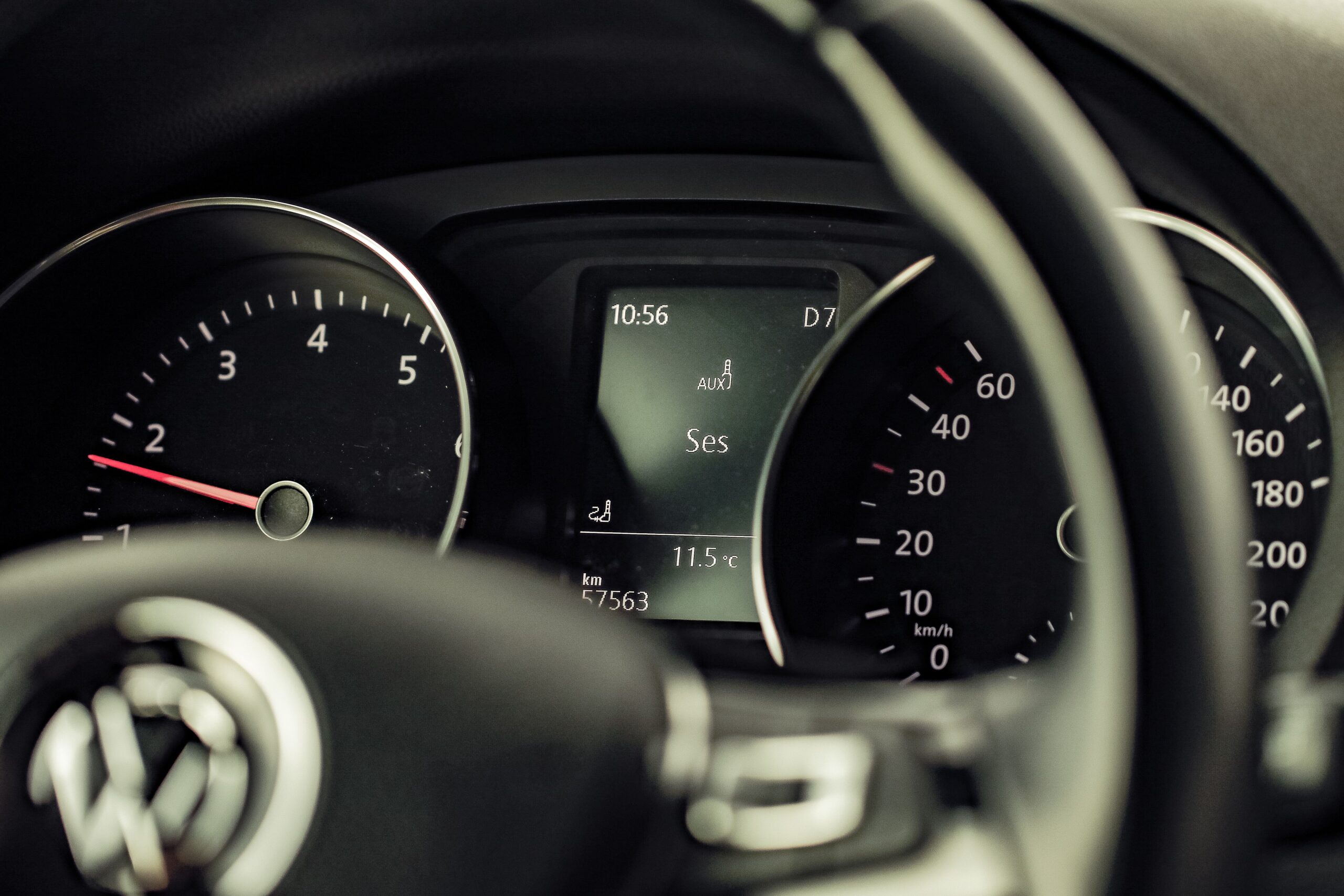
To avoid extra charges, take a photo of the fuel gauge when you pick up the vehicle and again when you return it.
Keep the final fuel receipt until the rental has been fully closed.
When an SUV Still Makes Sense
Gas mileage is important, but it should not be the only factor in your decision.
An SUV may still be the better choice if your trip involves:
- Several passengers
- Multiple large suitcases
- Sports or outdoor equipment
- Family travel
- Long-distance comfort needs
- Roads where additional ground clearance is useful
If you are moving several people and their luggage across South Carolina, the fuel savings of a compact car may not outweigh the cost and inconvenience of splitting the group across two vehicles.
The goal is not always to choose the most efficient vehicle available. It is to choose the most efficient vehicle that still fits what the trip actually requires.
When a Minivan May Be More Efficient Overall
A minivan may use more fuel than a compact car, but it can still be the more economical option for a larger group.
For example, one minivan carrying six or seven passengers may cost less overall than two smaller rental cars once you account for:
- Two rental rates
- Two tanks of fuel
- Two insurance or protection selections
- Two parking fees
- Two sets of toll charges
Looking at the complete trip cost rather than mileage alone can lead to a better rental decision.
Fuel-Efficient Rentals in Greenville and Charleston
Best Rent A Car offers fuel-efficient options at both its Greenville and Charleston Airport locations.
Travelers can choose from economy cars, compact vehicles, sedans, SUVs, and other vehicle classes based on:
- Trip distance
- Passenger count
- Luggage needs
- Preferred comfort level
- Expected fuel use
Speaking directly with the rental team can help you compare available vehicle categories and choose an option that balances fuel economy with the space your trip requires.
Save More on Your Next Rental
The right rental car can help you reduce fuel costs before you ever leave the lot.
Choose a vehicle that matches your route, passenger count, and luggage needs, then use fuel-efficient driving habits to get the most out of every tank.
Reserve your rental with Best Rent A Car today and find a fuel-efficient vehicle for your next trip from Greenville or Charleston.
Reserve Your RentalFrequently Asked Questions
Which rental car class gets the best gas mileage?
Economy and compact cars generally provide the best gas mileage because of their lighter weight and smaller engines. Mid-size sedans can also perform well during highway driving, while SUVs and minivans typically use more fuel.
Does Best Rent A Car offer fuel-efficient vehicles in Greenville and Charleston?
Yes. Best Rent A Car offers economy and compact cars alongside sedans, SUVs, and larger vehicle classes at its Greenville and Charleston-area locations. Availability varies, so booking early is recommended.
Is it cheaper overall to rent a smaller car?
Usually. Smaller vehicles often cost less to fuel and may also be easier and less expensive to park. However, a larger vehicle may be more economical for a group if it prevents the need to rent two separate cars.
Do driving habits really affect rental car fuel efficiency?
Yes. Maintaining steady speeds, accelerating gently, avoiding unnecessary idling, planning efficient routes, and ensuring the tires are properly inflated can improve real-world fuel economy.
When should I choose an SUV over a fuel-efficient compact car?
Choose an SUV when the trip requires additional passenger room, cargo capacity, comfort, or ground clearance. The higher fuel cost may be worthwhile when the larger vehicle better matches the needs of the trip.