
Charleston, SC Airport Car Rental: What to Know About Rental Car Coverage
Start your Charleston trip confidently, without unexpected insurance or coverage questions slowing you down at the rental counter.
Landing at Charleston International Airport (CHS) after a flight is rarely the moment travelers want to make a fast decision about insurance, yet that is exactly when rental car coverage often comes up.
Knowing the shape of that decision before you land can turn a rushed choice at the counter into a much easier one. You do not need to become an insurance expert before your trip. You simply need to understand what coverage you may already have, what the rental company may offer, and which questions are worth asking.
How Charleston Airport Car Rentals Typically Work
A Charleston airport car rental generally follows a simple sequence: you reserve a vehicle ahead of time, arrive at CHS and collect your luggage, then head to the rental counter or pickup point to confirm your reservation.
At pickup, you will typically need your:
- Valid driver's license
- Accepted payment method
- Reservation information
- Additional identification when required
Before you are handed the keys, the rental agreement is reviewed. This is usually when questions about optional coverage, protection products, authorized drivers, fuel policies, and other rental terms come up.
Knowing your preferences before arriving makes that conversation considerably easier.
The Coverage Question You'll Be Asked at the Counter
This is the part of the rental process that can catch travelers off guard.
After a flight, most people are focused on collecting their luggage, getting into their rental car, and reaching their hotel or destination. They are not necessarily prepared to compare insurance and protection options.
The important thing to remember is that you do not have to begin thinking about these questions at the counter.
You can review your existing insurance and credit card benefits before traveling, understand what protection you may already have, and arrive prepared to confirm your decision rather than make it from scratch.

Common Types of Rental Car Coverage, in Brief
Rental car protection can vary by company, location, vehicle, and rental agreement. However, travelers commonly encounter several types of optional coverage or protection.
Collision Damage Waiver
A collision damage waiver, sometimes called a loss damage waiver, may reduce or waive your financial responsibility if the rental vehicle is damaged or stolen, subject to the terms and exclusions of the agreement.
It is important to understand that a damage waiver is not necessarily the same thing as an insurance policy.
Supplemental Liability Protection
Supplemental liability protection may provide additional protection for claims involving injury or property damage to other people beyond whatever liability protection is otherwise applicable to the rental.
Personal Accident Coverage
Personal accident coverage may provide certain benefits for the renter and passengers following an accident, depending on the specific product and terms.
Personal Effects Coverage
Personal effects coverage may provide protection for certain personal belongings if they are stolen or damaged during the rental period.
Roadside Assistance
Optional roadside assistance may cover certain situations such as lockouts, lost keys, jump-starts, or other roadside problems, depending on the rental company's terms.
For a more detailed explanation of these options and where they may overlap with protection you already have, review our rental car insurance guide.
Check Your Personal Auto Policy and Credit Card First
Before accepting additional rental coverage, it is worth checking two sources of protection you may already have: your personal auto insurance policy and the credit card you plan to use for the rental.
Your Personal Auto Insurance
Some personal auto insurance policies may extend certain coverage to rental vehicles. Whether yours does depends on the policy, coverage limits, rental circumstances, and applicable exclusions.
Before traveling, contact your insurance provider and ask specifically whether your existing liability, collision, and comprehensive coverage applies when renting a vehicle.
You should also ask whether your normal deductible would apply if the rental vehicle were damaged.
Your Credit Card Benefits
Some credit cards offer rental vehicle protection when the card is used to pay for the rental and other requirements are met.
However, credit card benefits vary considerably. Coverage may apply only to physical damage or theft of the rental vehicle and may not provide liability protection for damage or injuries involving other people.
Some cards also provide secondary rather than primary coverage, meaning another applicable insurance policy may need to respond first.
Check the current benefits provided by your specific card before assuming you are covered.
Questions Worth Asking Before You Accept Extra Coverage
A few direct questions can make the decision much clearer before you arrive in Charleston.
Ask your personal insurance provider:
- Does my liability coverage extend to a rental vehicle?
- Does my collision and comprehensive coverage apply?
- What deductible would I be responsible for?
- Are there limits on how long I can rent a vehicle?
- Are there vehicle types that my policy excludes?
If you plan to rely on credit card benefits, ask the card issuer:
- Does rental vehicle coverage require me to pay for the entire rental with this card?
- Is the coverage primary or secondary?
- Does it cover collision damage and theft?
- Does it provide liability coverage?
- Are all authorized drivers covered?
- Are certain vehicles or rental periods excluded?
Having these answers before your flight means you can confirm your choice at the rental counter instead of researching it after landing.
Lowcountry Driving Considerations Worth Weighing
Charleston adds a few practical driving considerations that may be worth factoring into your coverage decision.
Travelers frequently use rental cars to visit destinations such as:
- Downtown Charleston
- Folly Beach
- Isle of Palms
- Sullivan's Island
- Kiawah Island
- Mount Pleasant
- Other destinations throughout the Lowcountry
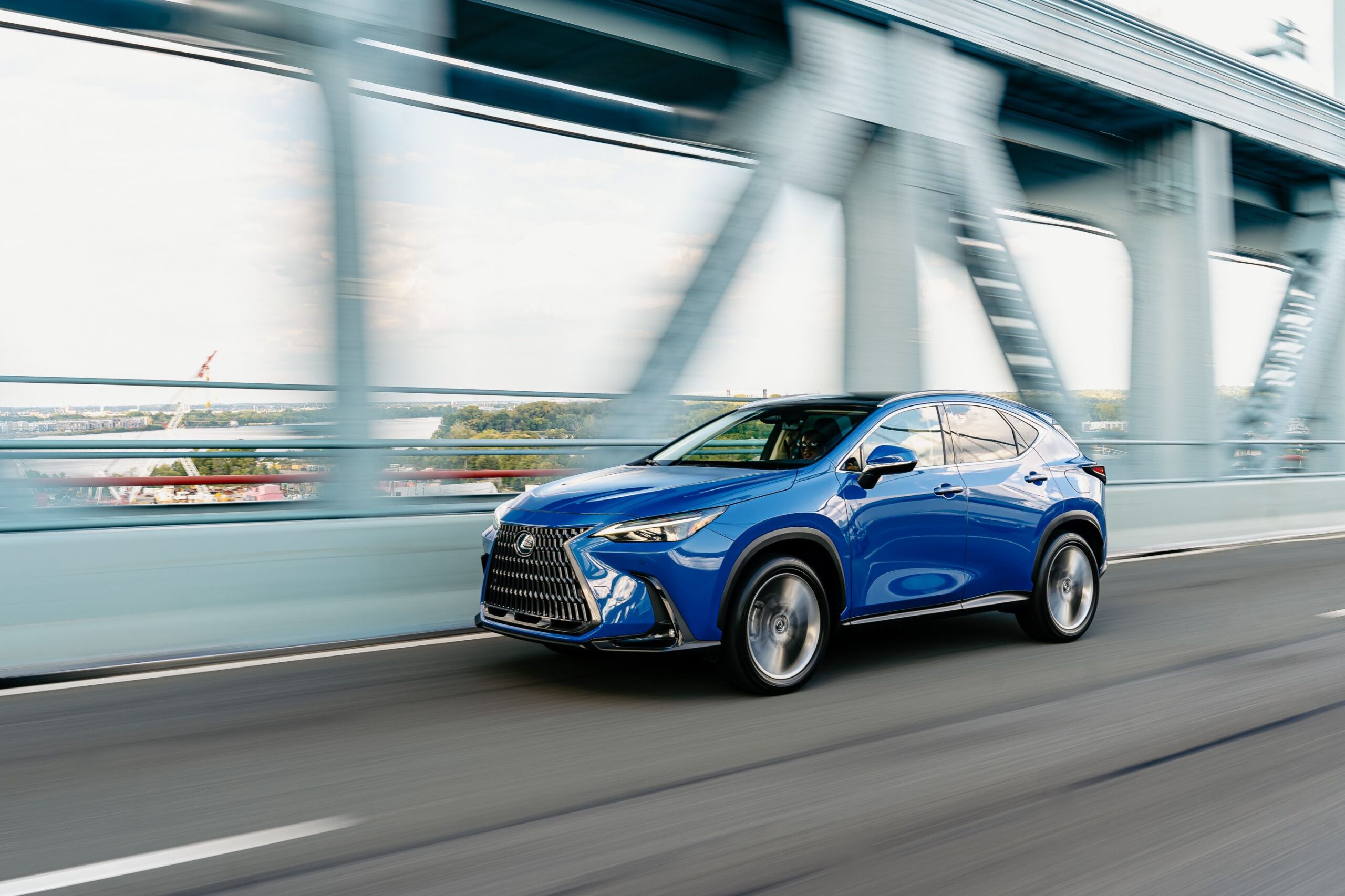
Getting to some of these destinations involves causeways, bridges, barrier-island roads, and routes that may be unfamiliar to visitors.
Lowcountry weather can also change quickly at certain times of year, with heavy rain potentially affecting visibility and road conditions.
None of these factors automatically means that purchasing additional coverage is necessary. They are simply practical considerations to weigh alongside your existing protection and your personal comfort level.
Make Sure Every Driver Is Authorized
If more than one person will drive during your Charleston trip, make sure you understand the rental company's additional-driver requirements.
Do not assume that another person in your group can automatically drive simply because they have a valid license or their own insurance.
Ask:
- Who is authorized to drive the rental vehicle?
- Does each additional driver need to be listed?
- Are additional driver fees charged?
- Do age restrictions apply to additional drivers?
- Does the selected protection apply to every authorized driver?
Following the rental agreement's driver requirements is especially important because allowing an unauthorized person to drive could affect how certain protections apply.
Inspect the Rental Vehicle Before Leaving
Coverage is only one part of protecting yourself during a rental. Documenting the condition of the vehicle at pickup is also important.
Before driving away, inspect:
- The front and rear bumpers
- Doors and body panels
- Wheels and tires
- Windshield and windows
- Mirrors
- Interior surfaces
- The fuel gauge
- The mileage reading
Take clear photos or a short video showing the vehicle's condition. If you notice existing scratches, dents, windshield damage, or other issues, make sure they are documented before leaving the pickup location.
Know What to Do if Something Happens
Even with careful driving, accidents and roadside problems can happen.
Before beginning your trip, make sure you know how to contact the rental company if:
- The vehicle is involved in an accident
- The vehicle is damaged while parked
- A warning light appears
- You have a flat tire
- The vehicle will not start
- The keys are lost or locked inside
Follow the rental company's instructions and, when appropriate, contact local emergency services and your insurance provider.
Keep copies of relevant photographs, reports, receipts, and other documentation in case they are needed later.
Airport Pickup, Return, and Booking Ahead During Busy Seasons
Pickup and return around Charleston International Airport can be easier when your documents and coverage decisions are already sorted.
Before arriving, have your driver's license, payment method, and reservation confirmation ready.
It is also helpful to know whether you intend to accept optional rental protection or rely on existing coverage, subject to confirmation of the rental agreement's requirements.
Charleston's busiest travel periods can include spring weekends, summer vacations, holidays, and fall events. Vehicle availability may tighten during these periods, particularly for popular SUVs, minivans, and other larger vehicles.
Booking ahead gives you more time to:
- Choose the vehicle class you actually need
- Review rental terms
- Check your existing insurance
- Review applicable credit card benefits
- Ask questions before traveling
Prepare Before You Land at CHS
Rental car coverage does not need to feel complicated by the time you arrive in Charleston.
The goal is not to memorize every insurance term. It is to know which two or three questions matter for your situation and have the answers ready before reaching the rental counter.
Review your personal auto insurance, check any applicable credit card benefits, understand who will be driving, and read the rental terms carefully.
Then, when coverage comes up during pickup, the conversation can confirm a decision you have already considered instead of introducing a question you have never thought about.
Plan Your Charleston Airport Rental Before You Land
The clearest way to avoid last-minute coverage questions is to ask them before your trip rather than waiting until you reach the counter.
Check availability and confirm your rental and coverage requirements with Best Rent A Car ahead of your Charleston arrival, so you can land knowing what to expect and get on the road with confidence.
Check Charleston Rental AvailabilityFrequently Asked Questions
What coverage comes standard with a Charleston airport rental?
Coverage varies by rental company, rate type, and rental agreement. Certain liability requirements may apply under state law, while collision damage waivers, personal accident protection, roadside assistance, and other products may be offered separately. Review the specific rental agreement to understand exactly what is included.
Does my personal auto insurance cover a rental car in South Carolina?
It may, but coverage and limits vary by policy. Contact your insurance provider before your trip and ask specifically whether your liability, collision, and comprehensive coverage extends to a rental vehicle and whether a deductible would apply.
Should I buy extra coverage for driving to Folly Beach or Kiawah Island?
That depends on the protection you already have and your comfort level. Driving to Charleston-area beach destinations does not automatically mean you need additional coverage. Review your personal insurance, applicable credit card benefits, and the rental company's options before deciding.
Can I decide on rental car coverage before I get to the counter?
Yes. Reviewing your personal auto policy and any applicable credit card rental benefits before traveling can help you understand your existing protection. You can then review the rental company's terms and confirm your decision during pickup.
What happens if I decline coverage and the vehicle is damaged?
Your financial responsibility depends on the rental agreement and any personal insurance or other applicable protection you have. Without an applicable damage waiver or other coverage, you could be responsible for some or all covered costs associated with damage to the rental vehicle. Confirming your protection before the trip can help you understand that potential responsibility.